Gifted child guide
High sensitivity and giftedness in children: connections and differences
When a child reacts strongly to emotions, noises, textures, or particular environments, the question of giftedness or high intellectual potential may arise in family or school discussions.
Some gifted children are described as sensitive, empathetic, or highly reactive to their environment.
Yet giftedness and high sensitivity are not synonymous.
This page helps distinguish possible connections, nuances, and common misconceptions about this topic.
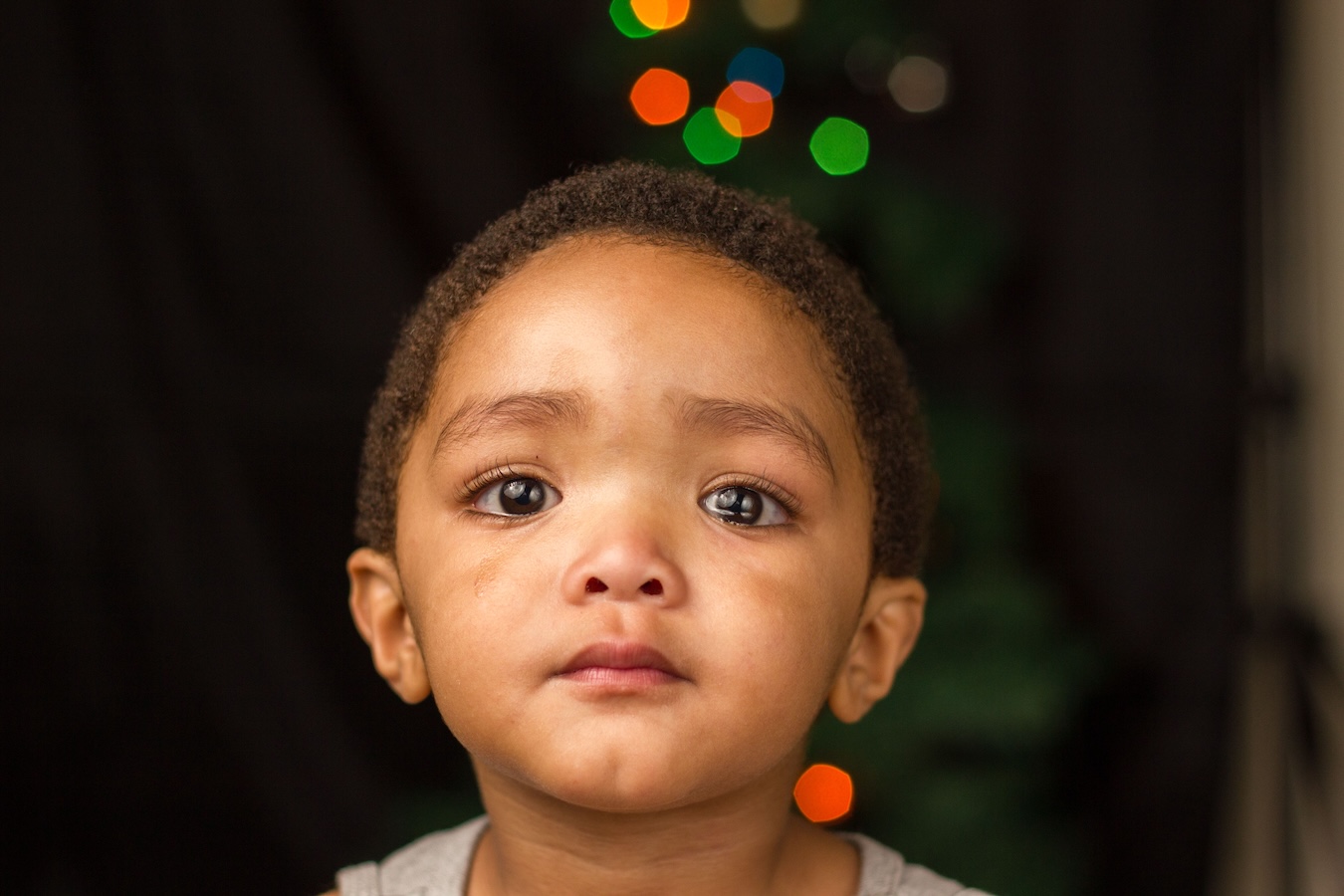
Sensitivity in children
In children, sensitivity, emotions, and giftedness should be distinguished and considered in context.
What does high sensitivity mean in a child?
High sensitivity is often used to describe strong emotional intensity, sensory reactivity, or considerable empathy.
In children, these manifestations can be influenced by age, temperament, fatigue, the environment, and relationship context.
How can it appear?
Possible manifestations vary and are not enough to establish giftedness or intellectual precocity.
Strong emotions
The child may experience certain situations with considerable intensity that can be difficult to regulate.
Reactivity to unfairness
Some comments, unfair situations, or tensions can trigger a strong reaction.
Sensitivity to the environment
Noise, crowds, or unexpected events may feel tiring in certain settings.
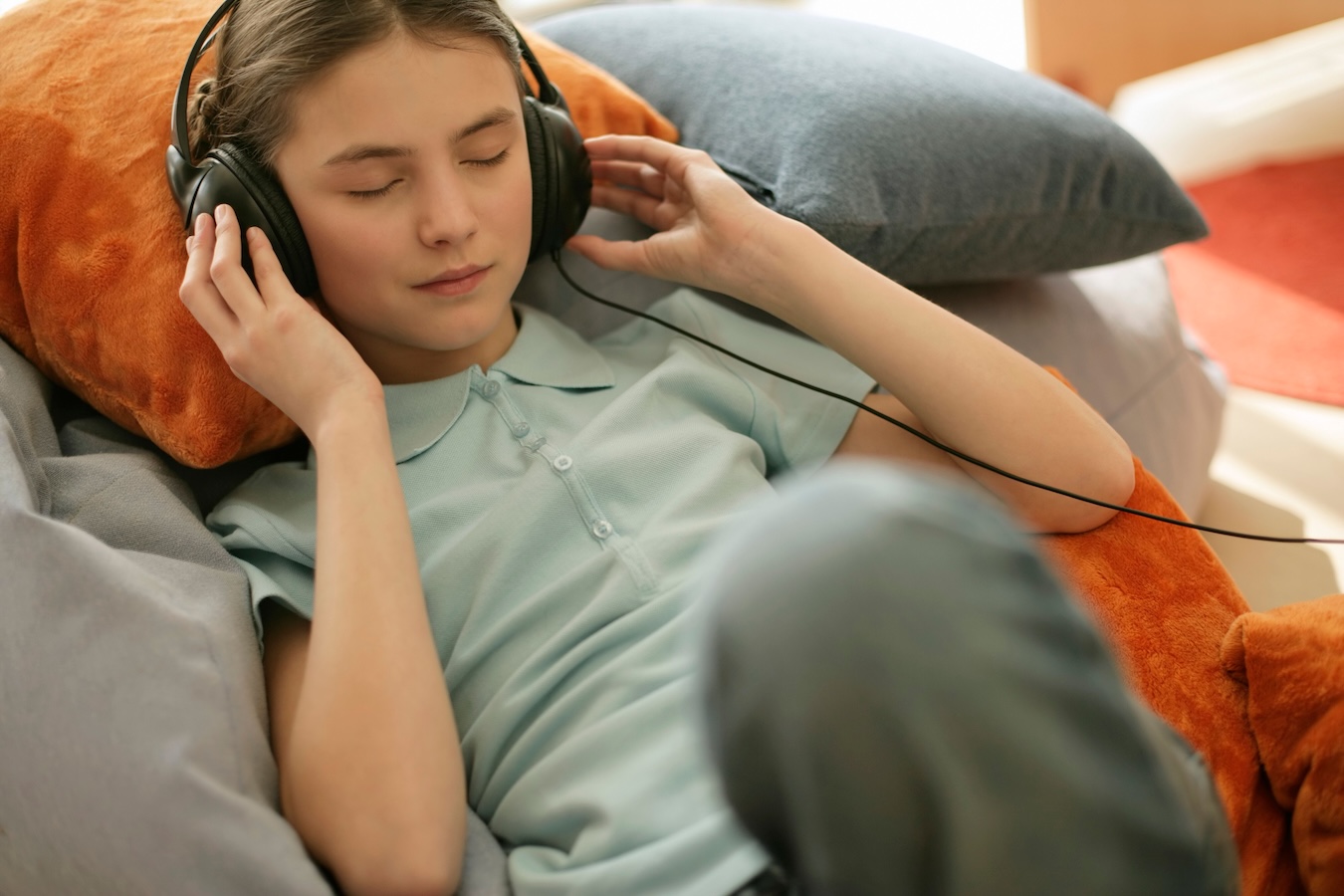
Observe the settings
Observing contexts often helps more than seeking an immediate conclusion.
Giftedness, temperament, or context?
Strong sensitivity may relate to temperament, emotional development, the environment, a stressful period, or other characteristics.
Giftedness may be one possibility among others, but it should not take over the entire interpretation.
When should you explore the question further?
Further exploration can help when sensitivity persistently interferes with a child’s daily or school life.
- emotions that are difficult to soothe
- fatigue in certain environments
- strong reactions to comments
- repeated relationship difficulties
- lasting distress or anxiety
Sensory sensitivity, emotional sensitivity, and reactivity are not the same thing
The term “high sensitivity” is used for very different experiences. It may describe intense discomfort with noise, clothing, or smells; a rapid emotional reaction; strong attentiveness to others; difficulty calming down; or simply a more reactive temperament. Grouping these experiences under one term creates an impression of unity that is not always present.
The first step is therefore to specify what is sensitive. A reaction to an itchy seam does not have the same mechanism as worry after a comment, sadness about unfairness, or exhaustion after a very busy day. These experiences can coexist, but they call for different observations and support.
This precision also protects the child. Saying they are “too sensitive” easily turns a situation into an overall trait. Describing how sudden noise triggers a reaction, difficult transitions increase tension, or a social day requires recovery time makes it possible to seek concrete adjustments without defining their whole personality.
Sensory
Noise, light, textures, smells, or crowds may feel more demanding in certain situations.
Emotional
An emotion can rise quickly, last a long time, or be difficult to express without pointing to a single cause.
Contextual
Fatigue, unexpected events, hunger, pressure, and accumulated demands can amplify a normally manageable reaction.
Why does the reaction vary so much from day to day?
A child’s tolerance is not a fixed quantity. After a good night’s sleep, in a familiar place, and with clear instructions, they may manage a stimulus that becomes much harder after a demanding school day. Accumulation matters: noise, attentional effort, interactions, changes of plans, and emotions can gradually reduce their capacity to adapt.
Anticipation also changes the experience. A child may manage a party they chose but feel overwhelmed by an unpredictable cafeteria, or like a fabric at home but refuse it when already rushed. This contrast is not necessarily inconsistency or deliberate behavior; it signals that context contributes to the burden.
Observing this variation helps distinguish the trigger from what amplifies it. Noise may be the last visible factor, while fatigue or uncertainty set the stage for the reaction. A useful response can then act earlier: announce the transition, allow a break, reduce simultaneous demands, or provide an acceptable way to step away.
Help without avoiding every situation
Supporting a child does not mean systematically removing every discomfort. Complete protection can reduce opportunities to learn to anticipate, ask for a break, adjust the environment, or recover after effort. Conversely, abruptly exposing a child to an overwhelming situation may increase distress without developing a strategy.
Proportionate support looks for conditions in which the child remains able to participate. They may choose tolerable clothing, know how long an event will last, have headphones available in certain settings, prepare a phrase to ask for quiet, or plan recovery time. The aim is not to prove they can endure it, but to enable participation without disproportionate exhaustion.
When reactions severely restrict school, meals, sleep, care, outings, or relationships, professional assessment can help clarify the contributing factors. The reason for consulting is then the concrete impact, not the search for a single label meant to explain everything.
Create a useful sensitivity map
A brief diary over one or two weeks can help move beyond the impression that a child reacts to everything. It can record the situation, what happened just before, the specific stimulus, the reaction, its duration, and the return to calm. The purpose is not to monitor every emotion, but to identify patterns that family memories can easily blur together.
The map should include situations that go well. Perhaps noise is tolerable when the child can move away, an item of clothing becomes acceptable without time pressure, or an emotional conversation goes better after a break. These exceptions reveal resources already available and conditions worth recreating.
It also helps to distinguish anticipation from the event itself. Some children struggle most before an event, others during exposure, and others fall apart after holding things together all day. Support can then focus on preparation, reducing the stimulus, or recovery.
Adults can agree with the child on a graded vocabulary: uncomfortable, difficult, too intense. These distinctions keep every situation from being described as unbearable and help everyone choose between an immediate adjustment, a personal strategy, and temporary discomfort.
Finally, describing a sensitivity should not obscure ordinary needs. Pain, hearing or vision problems, migraines, hunger, sleep, and illness can change reactions. When the change is sudden or accompanied by physical signs, medical advice is preferable to an immediate psychological interpretation.
Scenario: a child manages the party, then falls apart at home
Participating without a meltdown does not prove that the situation was easy. The child may have exerted considerable self-control amid noise, interactions, and surprises, then released that tension in a safe place. Hunger, fatigue, and the day’s social events should also be checked.
Preparation can clarify how long the event will last, where a quiet space is available, and when you will leave. Afterward, recovery time without immediate questions can help distinguish overload from a specific conflict. Several comparable experiences can then show whether this arrangement actually reduces the burden.
This interpretation avoids two hasty conclusions: treating the reaction as a tantrum because it happens afterward, or automatically attributing it to giftedness. The concrete need is for a better-fitting transition and recovery period.
Avoid letting the term “high sensitivity” shape every aspect of parenting
Once the term is adopted, adults may begin anticipating every reaction and speaking of the child as necessarily fragile. This expectation changes the experiences offered and how behavior is interpreted. It is better to keep describing situations rather than use the term as an identity.
Siblings and classmates should not be expected to accept every reaction because of a particular sensitivity either. Sensory or emotional needs can be respected while maintaining boundaries around words, actions, and repairing harm after conflict.
At school, a discreet adjustment is often preferable to public attention. A quiet place, the option of a break, or preparation for a transition can be arranged without announcing a personal characteristic to the whole group. The child participates in choices according to their age.
Strategies should be evaluated through actual participation. Headphones worn all day may reduce noise but also isolate the child and make some learning less accessible. Targeted use, combined with other ways to regulate, may offer a better balance.
The long-term aim is for children to have several possible responses: change the environment, prepare, communicate, recover, or seek advice when a symptom changes. No single strategy suits every situation or every form of sensitivity.
Interpretation in context
01
Observe
note situations that trigger a strong reaction
02
Distinguish
avoid confusing emotion, context, and giftedness
03
Discuss
seek professional advice if the difficulty persists
Cereya Giftedness
An initial approach with Cereya Gifted Child
Cereya Gifted Child offers an informative online assessment designed for parents who want to better understand their child’s cognitive functioning.
The assessment combines an age-appropriate questionnaire with cognitive exercises, providing a contextualized interpretation of giftedness in children.
This approach can offer additional insight, without reporting an IQ score or replacing an assessment suited to the child’s age.
- age-appropriate questionnaire
- age-appropriate cognitive exercises
- interpretation by dimension
- immediate free report
Initial summary included; detailed analysis available afterward.

Understanding emotions
Putting sensitivity into words can help clarify a child’s needs.
FAQ
Frequently asked questions
Are all gifted children highly sensitive?+
No. Some gifted children may be highly sensitive, but this is not systematic.
Can a child be highly sensitive without being gifted?+
Yes. Strong sensitivity can exist independently of high intellectual potential.
Does a strong emotion prove giftedness?+
No. An intense emotion can have many causes and should be understood in the child’s context.
What does high sensitivity mean in children?+
High sensitivity is a term used to describe certain emotional or sensory experiences. It should be understood in relation to the child’s age, temperament, and context.
Does a giftedness assessment measure high sensitivity?+
No. Psychometric tools assess intellectual functioning, not high sensitivity itself. They can, however, help distinguish cognitive, emotional, and contextual dimensions.
When should you seek advice about a child’s strong sensitivity?+
It can help to observe triggering situations and speak with a professional if sensitivity becomes a source of distress or lasting difficulty.
References and resources
This page draws on references in psychology, psychometrics, and understanding sensitivity.
- Pluess, M., Assary, E., Lionetti, F., Lester, K. J., Krapohl, E., Aron, E. N. & Aron, A. (2018). Environmental sensitivity in children: Development of the Highly Sensitive Child Scale and identification of sensitivity groups. Developmental Psychology, 54(1), 51–70. DOI: 10.1037/dev0000406. PMID: 28933890.
- Tourreix, E., Besançon, M. & Gonthier, C. (2023). Non-Cognitive Specificities of Intellectually Gifted Children and Adolescents: A Systematic Review of the Literature. Journal of Intelligence, 11(7), 141. DOI: 10.3390/jintelligence11070141. PMID: 37504784.
- Elaine Aron — The Highly Sensitive Person
- David Wechsler — WISC-V
- Nicolas Gauvrit — Les surdoués ordinaires
- American Psychological Association — resources on emotions and giftedness
Explore further