Gifted child guide
Gifted children and anxiety: does high potential increase the risk?
Giftedness is often presented as a cause of anxiety. Available reviews do not support such a simple answer.
A recent meta-analysis finds a small, nonsignificant average difference in anxiety between groups identified as gifted and control groups, with high heterogeneity. The review by Tasca and colleagues likewise does not allow an unequivocal conclusion.
These group findings do not answer the clinical question for a particular child. If worry persists, leads to avoidance, or disrupts sleep, school, or relationships, its impact matters regardless of the giftedness label.
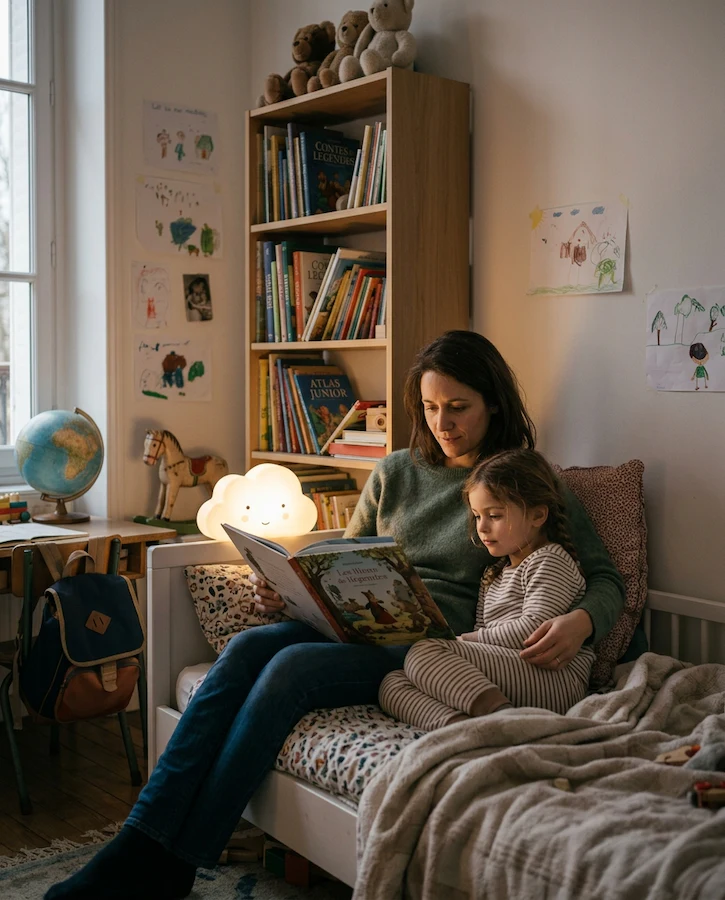
Take worry seriously
A reassuring moment can help; duration, intensity, and anxiety’s effects remain the essential reference points.
No clear increase in average risk, but heterogeneous studies
Duplenne and colleagues synthesized 27 studies comparing anxiety and 15 comparing depression. For anxiety, the average effect was small, negative, and nonsignificant (g = −0.14), with high heterogeneity and moderators related notably to age and type of measurement.
Populations, definitions of giftedness, tools, and informants differ. The careful conclusion is therefore neither “Giftedness causes anxiety” nor “Giftedness protects against anxiety,” but the absence of a simple average difference in the aggregated data.
What parents can observe
- how long the worries have lasted
- specific situations and thoughts expressed
- avoidance or repeated requests for reassurance
- sleep, physical pain, or restlessness
- effects on school, leisure activities, and relationships
- what actually helps and for how long
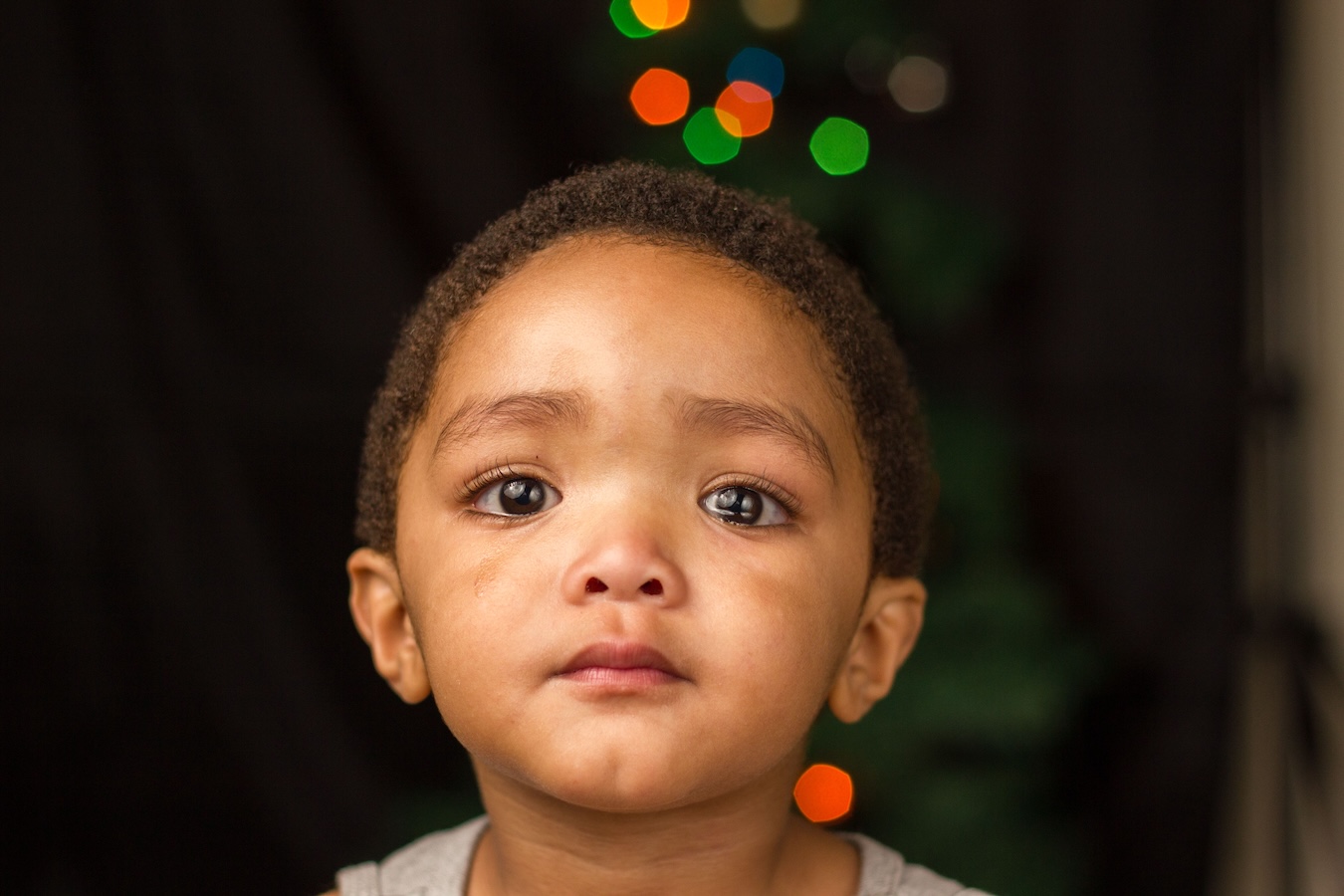
Observe over time
Duration, intensity, avoidance, and impact provide more information than an assumed cause.
When and where should you turn for help?
An initial conversation with the child can name what worries them without minimizing it or confirming the feared catastrophe. The school can help clarify school situations and recent changes.
If symptoms are intense, persistent, cause avoidance, disrupt sleep, or clearly restrict the child’s life, seek advice from an appropriate health or psychology professional. In an immediate risk situation, use local emergency resources.
Worry, stress, and persistent anxiety
Worrying before a test, feeling tense during a change, or being afraid after a difficult experience are possible childhood reactions. Anxiety becomes more concerning when the alarm stays active, seems disproportionate, causes repeated avoidance, or persistently restricts sleep, school, activities, and relationships.
Manifestations are not only verbal. Children may ask for many guarantees, postpone a situation, become irritable, complain of stomachaches, struggle to fall asleep, or try to control every detail. These signs have several possible causes and should be understood through their duration and context.
A child who reasons easily may explain fears very precisely without being able to regulate them. Conversely, a child may say little and express anxiety through behavior. Vocabulary quality measures neither the intensity of distress nor the ability to cope with it.
What can maintain anxiety in daily life
Avoidance reduces fear in the short term, creating an urge to avoid again. Gradually, the number of feared situations may increase. Repeated requests for reassurance sometimes work similarly: they soothe for a few minutes without allowing the child to discover that uncertainty can be navigated.
Fatigue, conflicts, school pressure, fear of mistakes, a difficult relationship environment, or a life event can increase vulnerability. An unrecognized learning or attention difficulty can also produce very situation-specific anxiety, for example before reading aloud or homework.
Giftedness should not become the explanation for these mechanisms. Group research does not show a simple increase in average risk, but that does not prevent a particular child from needing help. Addressing the situation depends on the type of anxiety and its impact, not the presence of a giftedness label.
- Exactly what the child anticipates.
- What they avoid or can no longer do.
- What reassures them only briefly or helps over time.
- Changes in sleep, physical symptoms, and schooling.
When to ask for help and what to prepare
Advice becomes relevant when anxiety lasts, spreads to several situations, causes marked distress, or prevents the child from attending school, sleeping, separating, participating, or maintaining relationships. Repeated physical symptoms should also be discussed with a health professional.
Parents can note triggers, expressed thoughts, avoidance behaviors, episode duration, and what helps. This information helps distinguish a specific fear, broader anxiety, a reaction to a school context, or an associated difficulty.
Suicidal statements, immediate danger, behavior putting the child’s safety at risk, or acute distress call for urgent help appropriate to the country of residence without delay. An online guide and a Cereya assessment are not crisis services.
Organize daily life without letting anxiety decide everything
A predictable routine can reduce unnecessary strain, but it should not become a guarantee that nothing unexpected will happen. Adults can explain what is known, identify what remains uncertain, and prepare a strategy for surprises. Children then learn that uncertainty can be navigated, not eliminated.
When reassurance is requested repeatedly, a consistent response is often preferable to new explanations. You can recall what has already been said, acknowledge the worry, and return to the agreed plan. If parents must invent another piece of proof each time, the need for certainty may expand.
Avoided situations should be described precisely before working toward progress. Going to school, speaking up, sleeping alone, and making a mistake do not carry the same meaning or difficulty. A gradual approach chooses manageable steps and monitors distress, ideally with a professional when the impact is significant.
Schools can help by identifying a trusted adult, avoiding public humiliation, and maintaining realistic expectations. Temporary adjustments can help a child return to an activity, but they should be reviewed to avoid unintentionally establishing lasting avoidance.
Clinical guidelines for childhood anxiety disorders favor age-appropriate psychological interventions and often involve parents. Generic advice cannot replace this approach. The guide’s role is to help recognize the impact and prepare a request for care, not to provide treatment.
Scenario: homework triggers stomachaches
Repeated symptoms before a task deserve to be taken seriously without immediately concluding that the cause is psychological. A health professional can check medical factors while parents and school describe the type of homework, when symptoms begin, and what follows.
If pain is mainly linked to one subject, comprehension, fear of mistakes, interactions, and learning difficulties should be examined. If it appears around many separations or anticipated events, the anxiety question may be broader.
While waiting for appropriate advice, the response should avoid both harsh pressure and systematically giving up. A brief, supported step can be maintained, with professional help when symptoms, avoidance, or distress become established.
What parents can prepare for a first appointment
A consultation becomes more precise when the family brings a timeline: symptom onset, recent changes, avoided situations, sleep changes, and school or social consequences. Periods when the child was doing better also indicate protective conditions.
Physical symptoms, any medications, medical history, and life events should be mentioned. The professional can decide whether a medical examination, psychological exploration, or several processes are indicated. Parents do not have to choose the diagnosis alone.
Strategies already tried are useful information, including those that did not work. Specify how long and how they were used. Saying “Relaxation does not work” means something different after a single attempt than within structured support.
The child can prepare their own words or bring a drawing, a rating scale, and an example. They should know that they may sometimes speak without their parents, depending on age and the professional setting. Giving them this space supports understanding that does not rely solely on the adult perspective.
Finally, the appointment should clarify the plan: what is suspected, what still needs assessment, initial measures, signs of deterioration, and how to get urgent help. The question of giftedness remains secondary to safety and addressing the actual anxiety.
Fear, stress, worry, and anxiety: four different reference points
Fear generally responds to an identified danger or situation: an approaching dog, separation, or speaking in public. Stress more often describes mobilization in response to a demand or constraint. Worry takes place mainly in thought, through scenarios about what might happen. Anxiety combines anticipation, physical activation, and protective behaviors, sometimes while the danger remains uncertain or distant.
These experiences are not abnormal in themselves. They become concerning through intensity, duration, repetition, and especially what they prevent. The same fear of a test may remain temporary for one child and lead another to stop sleeping, check endlessly, or refuse school.
Age matters too. A young child may show fear through crying, opposition, or a need for closeness; an older child may construct lengthy anticipations or hide distress. No single sign is enough to identify an anxiety disorder.
In thoughts
Catastrophic scenarios, a need for certainty, difficulty shifting attention, or persistent fear of mistakes.
In the body
Tension, a racing heart, nausea, stomachaches or headaches, fatigue, and difficulty falling asleep.
In behavior
Avoidance, procrastination, irritability, checking, repeated requests for reassurance, or unusual withdrawal.
Settings that help explain what the child fears
At school, anxiety may appear before a test, reading aloud, answering in front of the class, or a task where the child fears not succeeding immediately. In relationships, it may concern judgment, rejection, or uncertainty about group rules. Moving, separation, illness, conflict, or a teacher change can also abruptly alter a sense of safety.
Fear of mistakes deserves particular analysis. It may be fueled by high expectations, an experience of humiliation, perfectionism, a learning difficulty, or a history of succeeding without effort. Calling it “giftedness anxiety” would erase useful information about the actual situation.
Observations from several perspectives help avoid hasty conclusions. School can clarify whether the child participates, frequently seeks adult help, erases work, avoids certain subjects, or seems calm while working at extreme effort. Parents tend to see sleep, evening anticipation, physical symptoms, and falling apart after the day.
- When does the worry begin, and when does it ease?
- Does it occur in several places or around one specific task?
- What does the child do to protect themselves, check, or avoid?
- Which events, difficulties, or changes preceded its onset?
A proportionate approach
01
Describe
note duration, situations, reactions, and impact
02
Compare
listen to the child and gather school observations
03
Consult
seek appropriate advice if anxiety persists or restricts daily life
Cereya Giftedness
A cognitive exploration that does not screen for anxiety
Cereya Gifted Child offers an initial informative exploration of your child’s cognitive functioning through a parent questionnaire and brief age-appropriate exercises.
The assessment does not measure boredom, anxiety, learning, or self-esteem, does not report an IQ score, and replaces neither a professional assessment nor a conversation with the school.
- age-appropriate parent questionnaire
- brief cognitive exercises for the child
- results organized by dimension
- clearly explained assessment limitations
Initial summary included; detailed analysis available afterward.
An informative framework
A mental health question calls for attentive listening and, if needed, an appropriate professional.
FAQ
Frequently asked questions
Are gifted children more anxious?+
Reviews do not show a clear increase in average risk. Studies are nevertheless highly heterogeneous, and this finding does not predict an individual child’s situation.
Can giftedness explain an intense fear of mistakes?+
It is not enough to explain it. Perfectionism, expectations, school experiences, temperament, and anxiety can contribute and should be examined in context.
How can you distinguish occasional stress from concerning anxiety?+
Look at duration, intensity, avoidance, sleep, physical symptoms, and the impact on school, leisure activities, and relationships.
Does good school performance rule out anxiety?+
No. A child may continue succeeding while using considerable energy or experiencing distress. School results are not enough to assess well-being.
Does the Cereya questionnaire screen for an anxiety disorder?+
No. It provides an informative exploration of certain cognitive dimensions and neither diagnoses nor screens for an anxiety disorder.
When should you seek advice promptly?+
When anxiety causes severe distress, school refusal, panic attacks, significant withdrawal, or concerning statements, promptly contact a professional or appropriate emergency services.
References and resources
Reviews specific to giftedness combine varied ages, definitions, and measures. General guidelines on childhood anxiety supplement these data; NICE CG159 specifically concerns social anxiety and is not generalized to all forms of anxiety.
- Duplenne, L., Bourdin, B., Fernandez, D. N., Blondelle, G. & Aubry, A. (2024). Anxiety and Depression in Gifted Individuals: A Systematic and Meta-Analytic Review. Gifted Child Quarterly, 68(1), 65–83. DOI: 10.1177/00169862231208922.
- Tasca, I., Guidi, M., Turriziani, P., Mento, G. & Tarantino, V. (2024). Behavioral and Socio-Emotional Disorders in Intellectual Giftedness: A Systematic Review. Child Psychiatry & Human Development, 55(3), 768–789. DOI: 10.1007/s10578-022-01420-w. PMID: 36181607.
- Tourreix, E., Besançon, M. & Gonthier, C. (2023). Non-Cognitive Specificities of Intellectually Gifted Children and Adolescents: A Systematic Review of the Literature. Journal of Intelligence, 11(7), 141. DOI: 10.3390/jintelligence11070141. PMID: 37504784.
- Walter, H. J., Bukstein, O. G., Abright, A. R., Keable, H., Ramtekkar, U., Ripperger-Suhler, J. & Rockhill, C. (2020). Clinical Practice Guideline for the Assessment and Treatment of Children and Adolescents With Anxiety Disorders. Journal of the American Academy of Child & Adolescent Psychiatry, 59(10), 1107–1124. DOI: 10.1016/j.jaac.2020.05.005. PMID: 32439401.
- American Academy of Child and Adolescent Psychiatry (AACAP). (2023). Anxiety and Children. Facts for Families, No. 47. Official clinical resource.
- National Health Service (NHS). Anxiety disorders in children. Official health information for parents.
- National Institute for Health and Care Excellence (NICE). (2013, reviewed 2024). Social anxiety disorder: recognition, assessment and treatment. Clinical guideline CG159, recommendations for children and young people. Official guideline.
Explore further