Gifted adult guide
Gifted adults: common characteristics
Intellectual giftedness in adults is often discussed through terms such as high potential, quick thinking, intense curiosity, heightened sensitivity, or feeling out of step. Yet these characteristics do not appear in the same way in everyone.
Some people discover the question of giftedness in adulthood, sometimes after an unconventional educational or career path, a longstanding sense of functioning differently, or the identification of giftedness in their child.
This page presents characteristics frequently associated with giftedness in adults, limits to their interpretation, and useful guidance for exploring the question carefully.
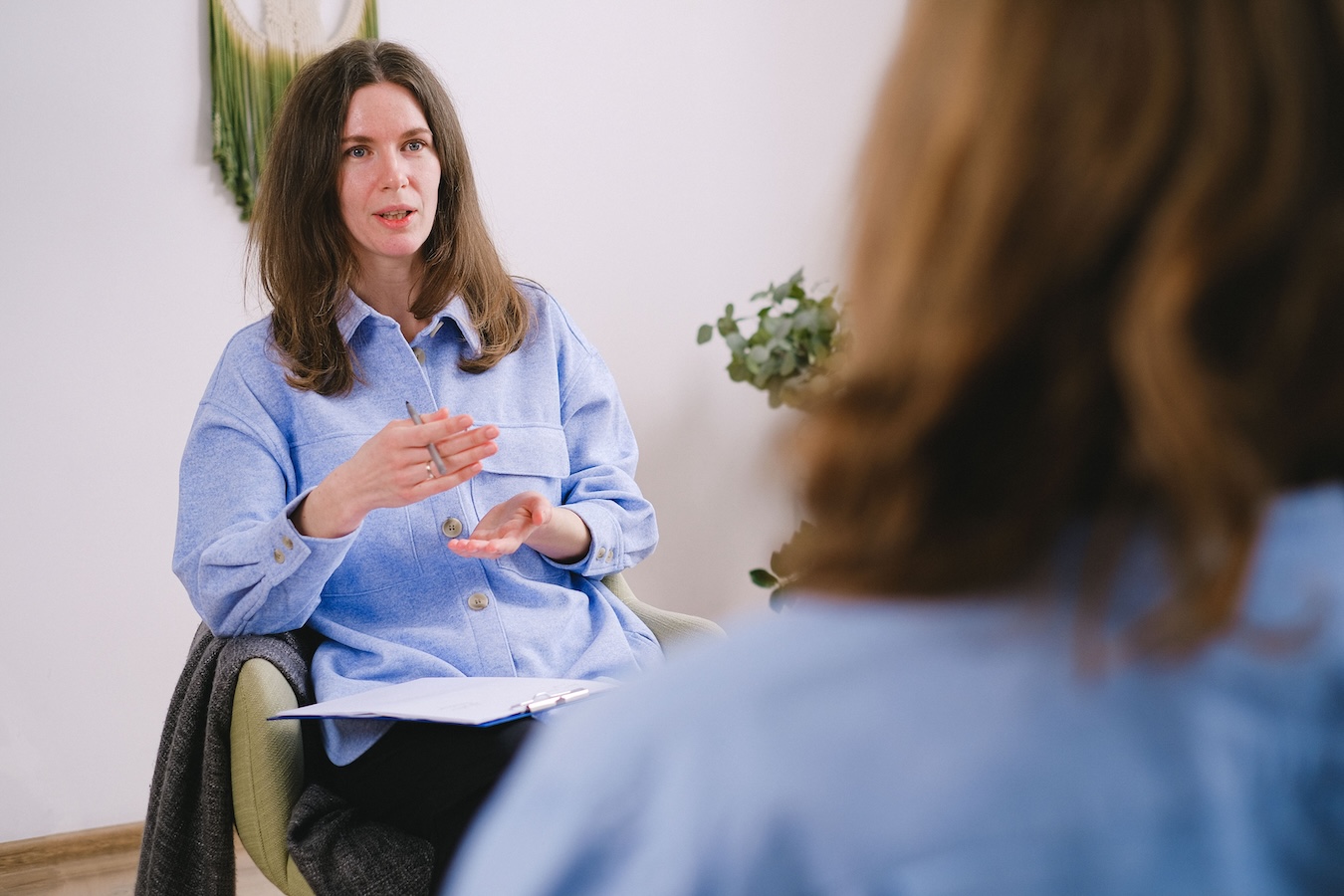
Adult functioning
Understanding characteristics associated with giftedness requires connecting signs with a personal history.
Understanding intellectual giftedness in adults
Intellectual giftedness generally refers to above-average intellectual functioning, often assessed with standardized psychometric tools such as the WAIS for adults.
In everyday life, however, questions about giftedness extend beyond a score. They may concern ways of thinking, understanding, learning, analyzing, feeling, or relating to an environment.
In adults, the question sometimes arises late. Some people have long compensated, hidden their strengths, or interpreted their functioning as simply a difference in personality.
Terms such as high-potential or gifted also appear in everyday conversation, but are best connected to a careful interpretation of intellectual functioning.
Psychometric models, such as the CHC model of intelligence, also emphasize that intellectual functioning is not a single ability. Fluid reasoning, working memory, processing speed, language, and visuospatial reasoning may contribute differently to a profile.
Characteristics often associated with giftedness in adults
Sustained intellectual curiosity
Many adults exploring giftedness describe a recurring need to learn, understand, or explore varied subjects. This curiosity can be intense, changeable, and sometimes difficult to channel.
Fast, associative thinking
Some people report thinking that moves quickly from one idea to another, connects seemingly distant information, or anticipates several scenarios at once.
A need for coherence
The need for logic, meaning, and coherence can be strong. A situation that feels unclear, contradictory, or absurd may be difficult to accept.
Emotional intensity
Some people describe heightened sensitivity, strong emotional reactivity, or difficulty gaining distance from certain situations.
Feeling out of step
Feeling that you function differently from others can be frequent. It may concern conversations, interests, work, relationships, or the way certain issues are perceived.
High personal standards
Personal standards can be high. They can support quality work, but also create fatigue, perfectionism, or fear of never doing well enough.
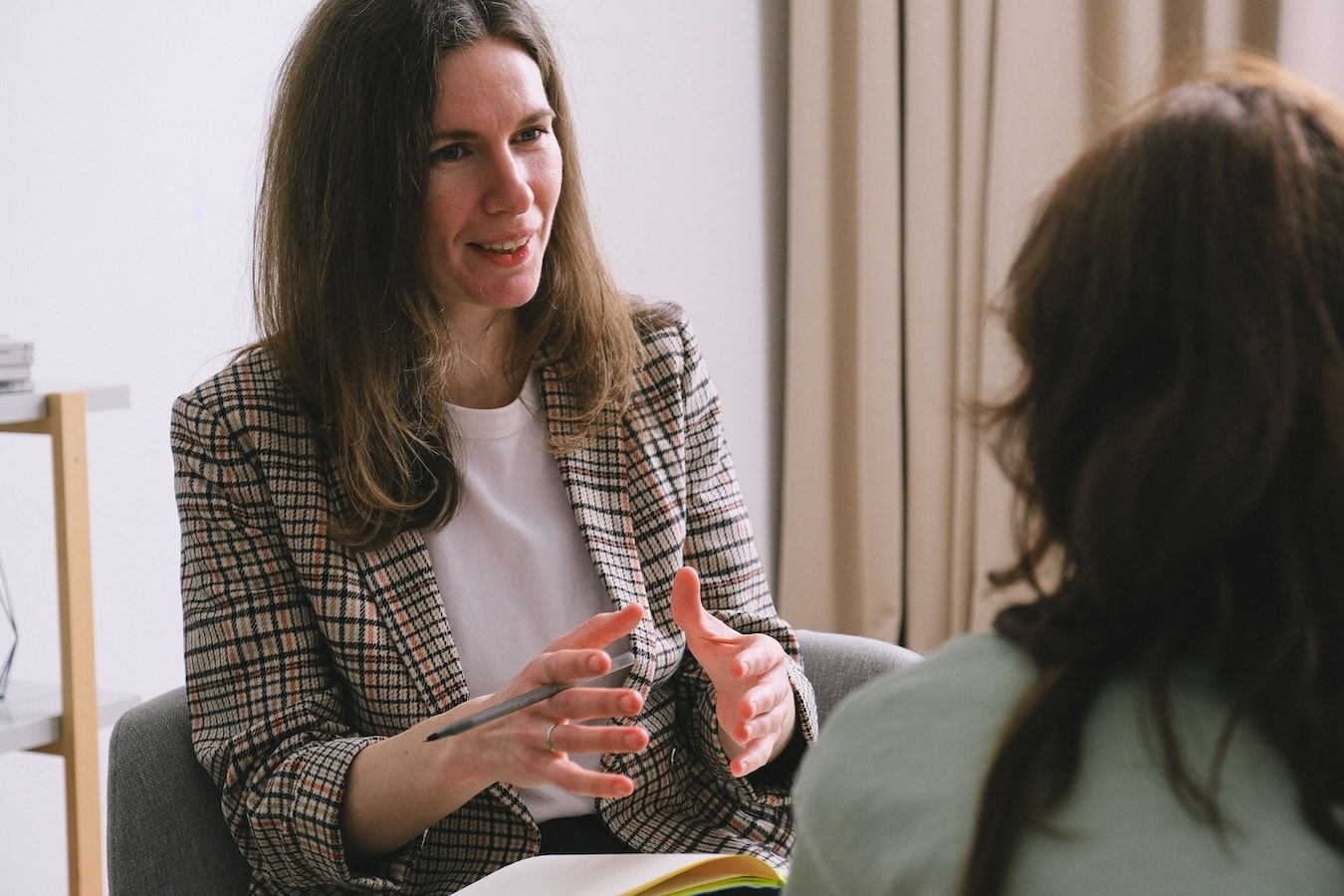
Working life
Questions about giftedness often arise when the relationship with work becomes difficult to understand.
Gifted adults and working life
For adults, questions about giftedness often arise at work.
Some people describe:
- an ability to learn quickly
- rapid understanding of systems
- ease in spotting inconsistencies
- difficulty with repetitive tasks
- strong engagement when a subject feels meaningful
- quickly losing interest when a structure feels too rigid
Giftedness can therefore be associated with workplace strengths, but also tensions: boredom, frustration, difficulty with unclear instructions, mental overload, or a mismatch with certain environments.
Gifted adults and social relationships
Relationship experiences may also prompt questions about intellectual giftedness.
Some people report:
- feeling too intense
- difficulty tolerating superficial conversation
- a tendency to analyze exchanges extensively
- a need for authentic relationships
- fatigue in certain social settings
These features are not specific to giftedness. They may also relate to personality, life history, anxiety, heightened sensitivity, or other forms of neurodivergence.
Possible strengths and difficulties
Possible strengths
- fast learning
- creativity
- analytical ability
- logical intuition
- memory for certain details
- a broad perspective
- an ability to make connections
Possible difficulties
- ennui
- perfectionnisme
- mental overload
- feeling out of step
- difficulty slowing thoughts
- emotional fatigue
- difficulty finding a suitable setting
These features are neither universal nor exclusive to giftedness. They mainly help explain the different forms that intense intellectual functioning may take.
What giftedness in adults is not
It is not a guarantee of success
A gifted person may excel, but may also face substantial difficulties depending on context, history, or available resources.
It is not necessarily visible
Some people hide or minimize their abilities, sometimes from childhood.
It is not a medical diagnosis
Giftedness concerns the assessment of intellectual functioning. It is not a medical disorder.
It is not always experienced as a strength
Depending on the period and environment, some characteristics may be experienced as resources or sources of tension.
Explore carefully
01
Observe
notice what recurs regularly
02
Structurer
organize the observed characteristics
03
Assess
consider a professional assessment if needed
How can you explore your gifted adult profile?
A first step is to observe situations where certain characteristics recur:
- intense curiosity
- a need to understand
- ease in learning
- quick boredom
- quick thinking
- heightened sensitivity
- feeling out of step
Online tests can help structure this reflection, but they do not replace a psychometric assessment.
For adults, an in-depth assessment can be conducted by a psychologist using standardized tools such as the WAIS.
Cereya Giftedness
An initial approach with Cereya Giftedness
Cereya Giftedness offers an informative online assessment for adults who want to explore aspects of their cognitive functioning and their relationship to adult giftedness or high intellectual potential.
Results are organized by dimension and informed by recognized frameworks in the field, without replacing a professional psychometric assessment.
The platform combines:
- behavioral questionnaire
- cognitive exercises
- analysis of results
- free report
- optional detailed report
This approach cannot confirm giftedness, but can offer an initial structured, educational interpretation.

Personal understanding
A structured process can turn a vague impression into clearer insights.
FAQ
Frequently asked questions
What are the signs of giftedness in adults?+
Frequently mentioned signs include intellectual curiosity, quick thinking, a need for coherence, sensitivity, feeling out of step, and high personal standards. They may raise the possibility of adult giftedness, but none can confirm it.
Can giftedness be discovered in adulthood?+
Yes. Some people begin to question this in adulthood, sometimes after an unconventional path or after giftedness is identified in their child.
Is giftedness in adults always visible?+
No. Intellectual functioning is not always visible. Some people compensate, mask, or do not express their abilities in every context.
Do gifted adults necessarily succeed professionally?+
No. Giftedness may be associated with certain strengths, but a career also depends on context, environment, motivation, mental health, opportunities, and coping strategies.
How is giftedness confirmed in adults?+
Confirming giftedness generally involves a psychometric assessment conducted by a trained psychologist using standardized tools such as the WAIS.
Why are adults sometimes described as gifted?+
In everyday language, terms such as gifted or high-potential may be used. They can refer to intellectual giftedness, but need nuance and do not replace an assessment of intellectual functioning.
How does Cereya structure its gifted adult assessment?+
Cereya uses a careful approach informed by cognitive psychometrics and dimensions related to those explored by reference tools such as the WAIS. Results remain informative indicators, not confirmation of giftedness.
References and resources
This page draws on psychometric research and recognized references in cognitive assessment.
- David Wechsler — WAIS-IV : Administration and Interpretation
- Nicolas Gauvrit — Les surdoués ordinaires
- American Psychological Association — resources on intelligence and giftedness